Why Picture Books for Adults Matter
As an author and illustrator creating picture books specifically for adults, I have become fascinated by what happens when words and images are given equal space to tell a story.
Rediscovering the power of illustrated storytelling
For many of us, picture books belong to childhood. They are associated with bedtime stories, small hands turning pages, familiar characters and the comforting ritual of being read to. As we grow older, we are generally expected to leave them behind and move towards books with more words, more complexity and fewer pictures.
But perhaps we don't outgrow picture books at all. Perhaps we simply begin to need them for different reasons.
Adult life is full of experiences that are difficult to explain neatly. Grief, longing, fear, identity, belonging, resilience, love and personal transformation are rarely straightforward. They are layered and often contradictory, and sometimes there simply aren't words adequate enough to describe what is happening within us.
This is where the combination of story and image can become particularly powerful.
Pictures speak differently to adults
Words ask us to follow a particular path. Images leave more room for interpretation. A picture can evoke a memory, a feeling or an association without telling us exactly what we are supposed to think. We can notice something in an illustration that another reader doesn't notice at all. We can return to the same image years later and discover that it means something completely different.
This makes illustrated storytelling wonderfully suited to the inner life. Rather than explaining an emotion, an image can allow us to recognise it. Rather than telling us what something means, it can invite us to find our own meaning. And sometimes that quiet invitation is more powerful than an explanation.
The value of slowing down
Adult life tends to move quickly. We read emails, scroll through information, absorb headlines and move from one task to the next. Even reading for pleasure can become another activity to complete.
An illustrated book asks something different of us. We turn a page and pause. We look. We notice. We allow the words and images to sit together.
There is something wonderfully restorative about this slower form of reading. The combination of sparse or carefully considered text and visual detail creates space for reflection, allowing a story to unfold at its own pace rather than demanding that we rush towards the next piece of information.
A picture book can therefore become more than something we read. It can become somewhere we spend a little time.
When stories explore the inner landscape
Picture books for adults are not simply children's stories with grown-up subjects. At their most compelling, they use the freedom of visual storytelling to explore ideas that are deeply human.
A story might approach grief through metaphor rather than explanation. It might explore fear as a creature, self-doubt as a landscape, or transformation as a journey into an unfamiliar world. Through symbolism and imagination, complex psychological experiences can become something we can see, feel and contemplate. This can make difficult subjects feel more approachable.
Themes such as emotional healing, self-discovery, psychological growth, resilience, identity, belonging and personal transformation don't need to be presented as lessons. They can simply exist within a story, allowing the reader to recognise something of themselves without being told what they should take from it. The story becomes a mirror, rather than a manual.
The meeting place between literature and art
An illustrated picture book for adults sits somewhere between literary storytelling and visual art. The words carry one layer of meaning. The images carry another. Together, they create something neither could quite achieve alone.
Illustration can establish atmosphere, symbolism and emotional tone. It can introduce ambiguity, humour, tenderness or unease. Sometimes the image reveals something that the words leave unsaid. Sometimes the words change the way we interpret what we see.
This relationship between text and image is part of what
makes the form so rich. It also makes illustrated books particularly appealing to adults who are drawn to both literature and art, but who may not necessarily think of themselves as readers of traditional self-help or psychological books.
A story can explore emotional wellbeing without becoming a self-help book. A character can experience transformation without the reader being given a formula for achieving it. A metaphor can illuminate something about human behaviour without needing to explain the psychology behind it.
A different kind of emotional reading
There is also something uniquely personal about returning to an illustrated story as an adult.
We bring our own lives to the page.
A story that feels whimsical at one stage of life might feel poignant at another. An image that once seemed mysterious might suddenly become recognisable. A character's fear may remind us of our own. A journey through an imagined landscape may quietly echo something we have experienced ourselves.
The book hasn't necessarily changed. We have. And this is one of the pleasures of illustrated storytelling: it can grow with us.
Why adults might need picture books more than ever
Perhaps the real question isn't why adults should be allowed to read picture books. Perhaps it is why we ever decided that pictures were something we had to leave behind.
Adults still need wonder. We still need imagination. We still need stories that make us pause, feel, question and see something from a different perspective.
We still need beauty. And we still need ways of approaching the parts of ourselves that are difficult to put into words.
Picture books offer all of these things without requiring us to abandon the complexity of adulthood. They can be thoughtful without being heavy, psychologically rich without becoming clinical, and emotionally resonant without telling us how we ought to feel.
We don't outgrow the need for stories. We simply bring more of ourselves to them.
The Fruit of Dragons
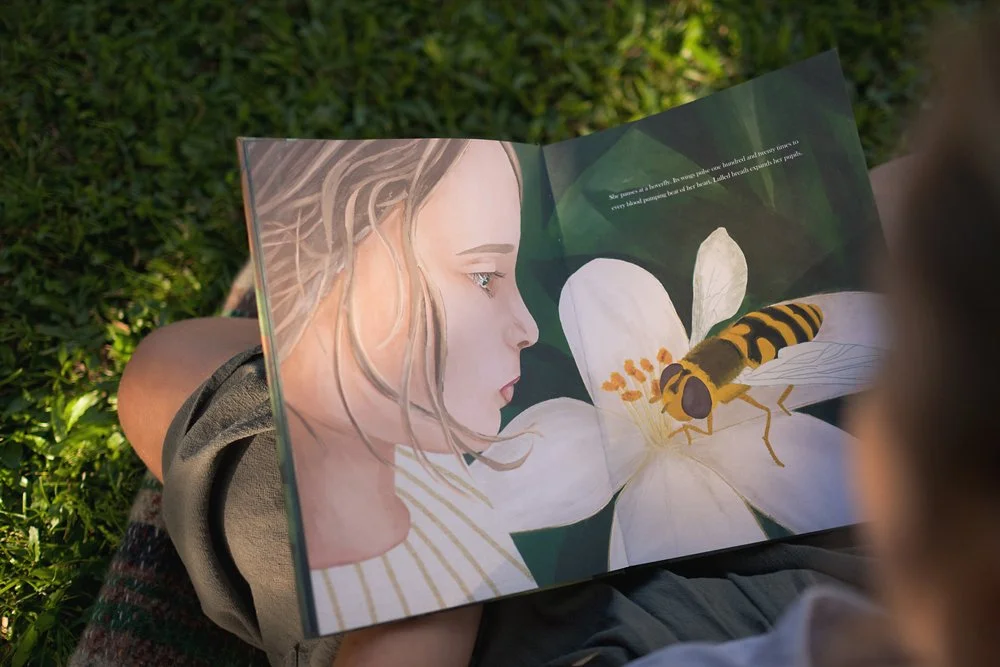
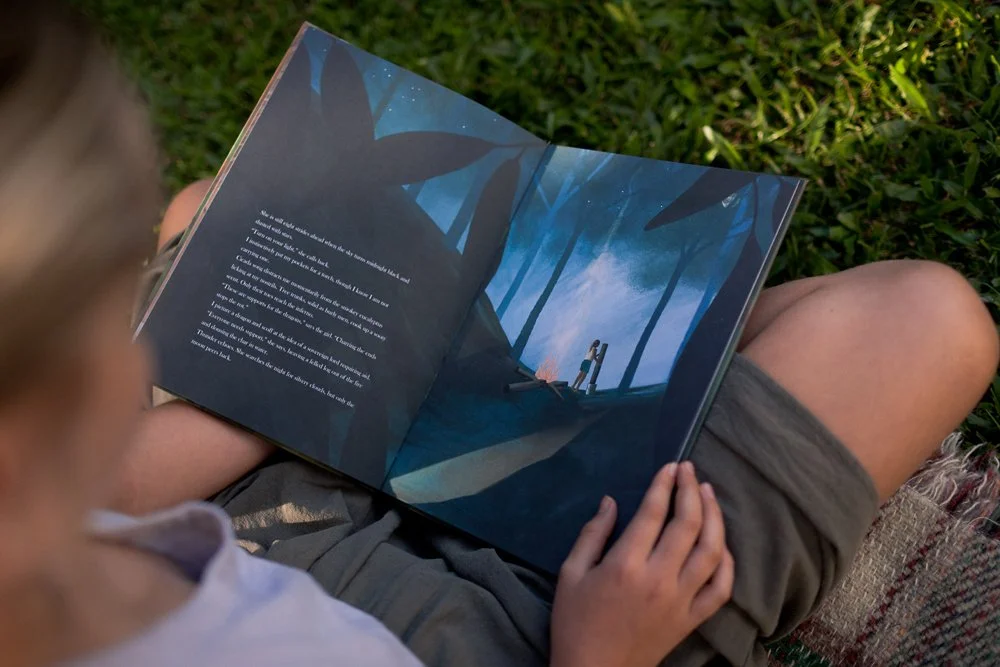
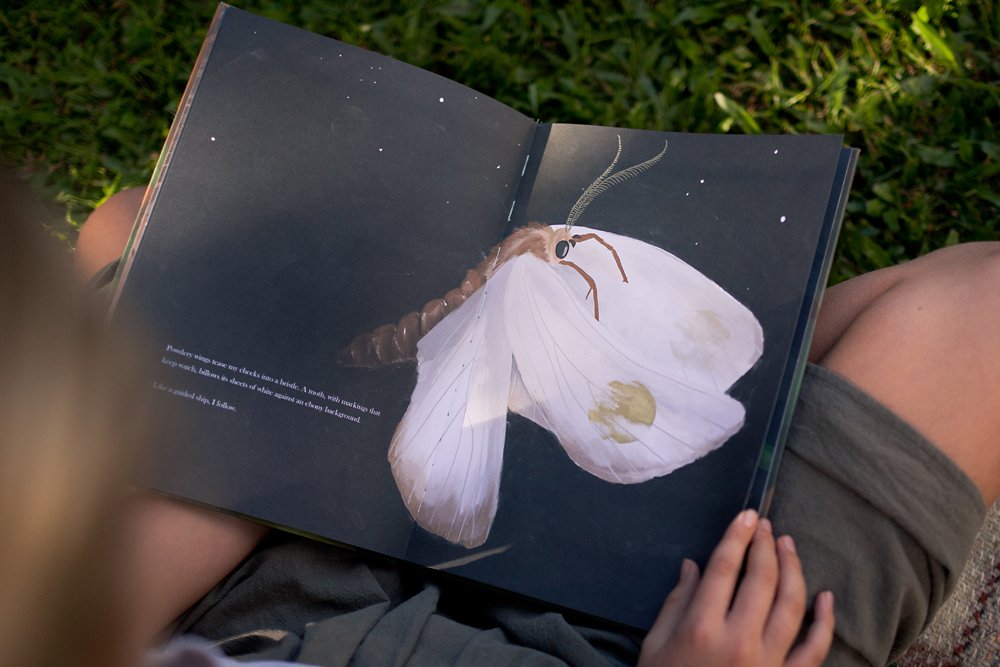
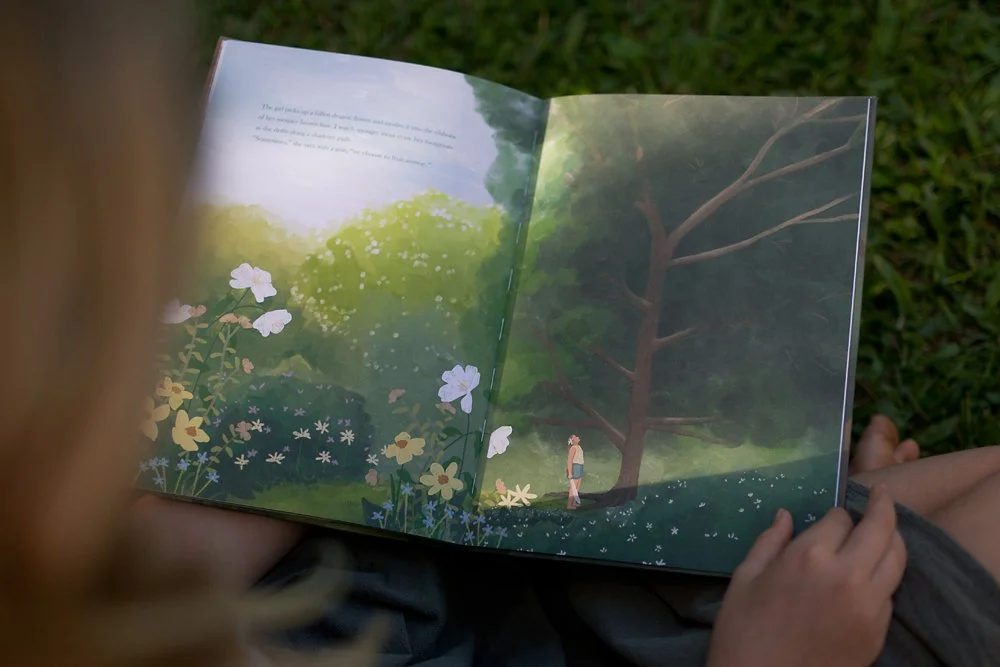
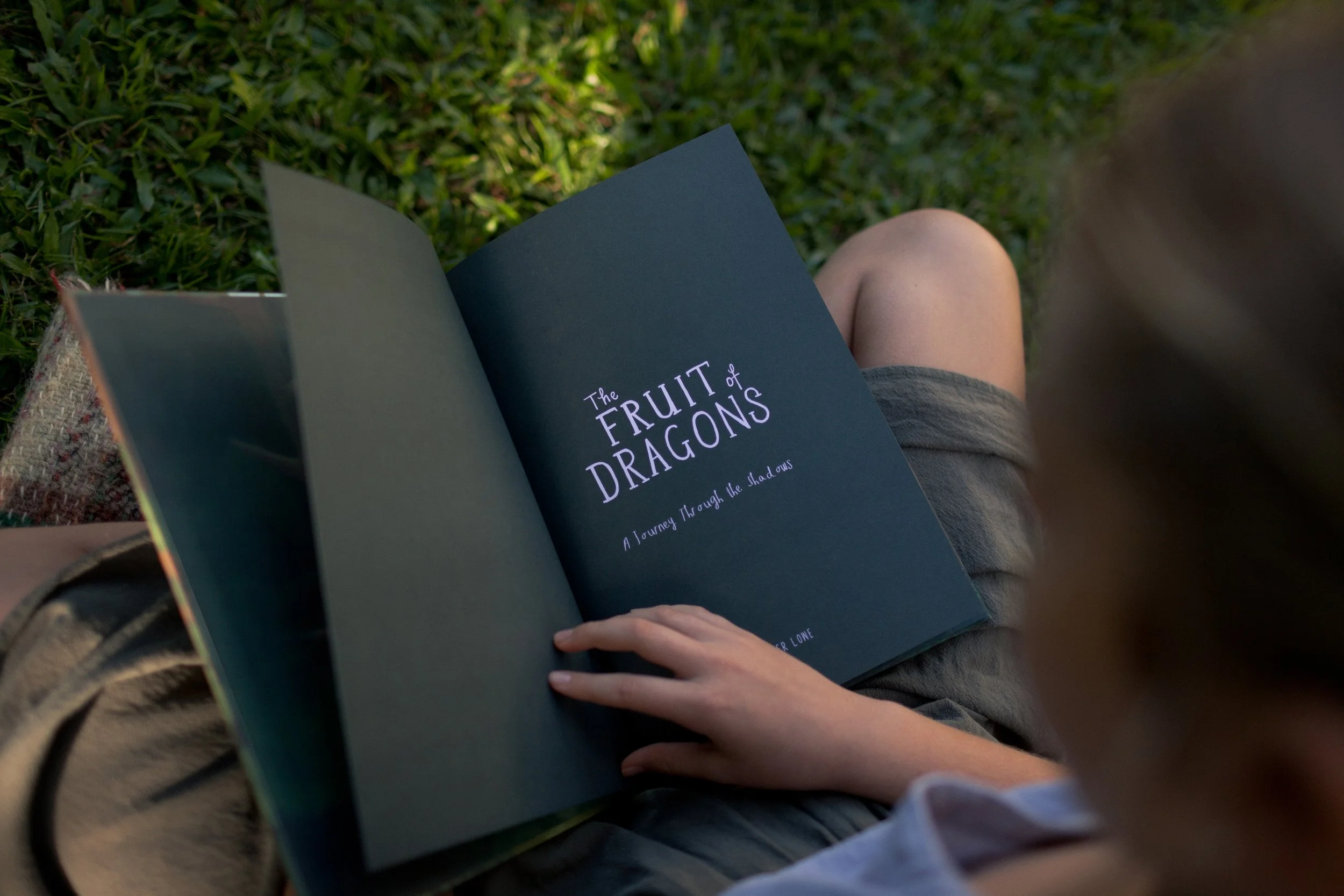
My own illustrated picture book for adults, The Fruit of Dragons: A Journey Through the Shadows, grew from this belief.
It is a modern parable about fear, curiosity, courage, vulnerability and the journey towards self-discovery. Through symbolic storytelling and original illustration, it explores the inner landscape of emotional healing and personal transformation.
It isn't a book that tells you how to live. Instead, it offers a story to wander through — and leaves space for you to discover what you find there.